




Key Takeaways
✨ Where you buy matters as much as what you buy. Natural sapphire specialists, general fine jewelry retailers, and lab-grown sapphire brands each price and source differently.
✨ Natural sapphire pricing varies widely. Clarity, cut, origin, and treatment history all shape the price of a mined stone.
✨ Lab-grown sapphire costs less. It shares the same hardness and color range as natural sapphire.
✨ Reputable sellers disclose sourcing. Look for clear information on whether a stone is natural or lab-grown before you buy.
✨ Sterling silver and gold-filled settings keep prices accessible. Both pair well with sapphire's cool blue tones.
Sapphire jewelry pairs a durable, richly colored stone with pieces suited to everything from engagement rings to everyday earrings. As the birthstone for September, sapphire also makes a popular birthday gift, but the biggest decision before you buy is understanding what you're paying for.
Natural sapphire is priced on clarity, cut, and origin, while lab-grown sapphire offers the same color range and hardness at a more accessible price point. This guide covers where to buy sapphire jewelry, what to look for, and how to match your budget and personal style to the right piece.
Where Can I Buy Sapphire Jewelry?
The best place to buy sapphire jewelry depends on whether you're looking for a natural stone or a lab-grown one. Little Sky Stone offers affordable, lab-grown sapphire jewelry crafted in sterling silver and 14K gold-filled, with a consistent look and price across the collection. For natural sapphire, a dedicated gemstone specialist can source stones by carat, clarity, and origin, though pricing will vary more from piece to piece.
Shop Little Sky Stone's sapphire jewelry by category:
- Sapphire Rings
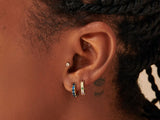
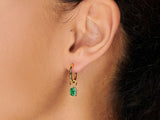
- Sapphire Earrings
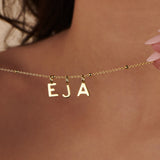
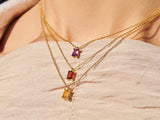
- Sapphire Necklaces
- Sapphire Charms
- All September Birthstone Jewelry (Sapphire)
Sapphire Jewelry
Sapphire jewelry spans rings, earrings, necklaces, bracelets, and pendants, and where you shop shifts depending on which one you want. A natural sapphire company or gemstone specialist can source stones by carat, origin, and clarity grade, but that level of customization comes at a price.
Fine jewelry brands built around lab-grown sapphire cut out the sourcing variability and keep prices consistent, which suits shoppers who want the classic sapphire look without the natural-stone price range.

What to Check Before You Buy
Whichever seller you choose, three factors typically determine quality and value: cut, clarity, and treatment.
- Cut affects how well the stone reflects light
- Clarity refers to how visible any internal inclusions are
- Treatment discloses whether a stone's color has been enhanced through heating or other processing. This is a common and disclosed practice for natural sapphire that's still worth knowing before you buy.
Because sapphire ranks 9 on the Mohs hardness scale, second only to diamond, it holds up to daily wear better than most other gemstones. This makes it a practical choice whether you're shopping for a September birthday gift or a piece meant to be worn for decades.
Sapphire Rings
Sapphire Engagement Rings
Sapphire remains a popular engagement ring choice, prized for its durability and its deep blue color as an alternative to a traditional diamond. When comparing where to buy a sapphire engagement ring, look for a seller who states plainly whether the center stone is natural or lab-grown, since that single detail affects both price and resale value.
A lab-grown sapphire engagement ring can look virtually indistinguishable from a natural one while costing meaningfully less, which is worth factoring in alongside setting and metal choice.
Everyday Sapphire Rings
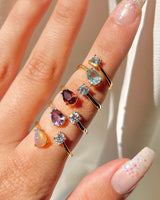
Beyond engagement rings, sapphire also shows up in stacking rings, cocktail rings, and September birthstone rings designed for everyday wear rather than a single milestone occasion. Little Sky Stone's sapphire rings use lab-grown blue sapphire set in sterling silver or 14K gold-filled, two budget-friendly metal options that hold up well against sapphire's hardness.

Gold-filled settings are fully waterproof, which matters for a ring worn daily, while gold-plated and vermeil pieces are water-resistant but should be kept away from prolonged water exposure. This is where affordable sapphire jewelry tends to shine: a birthstone ring doesn't need the same carat weight or clarity grade as a centerpiece stone to look striking, which keeps prices lower across the board.
Wherever you decide to buy sapphire jewelry, the same principle holds: know whether you're paying for a natural stone or a lab-grown one, and buy from a seller who's upfront about it. It also pairs naturally with other birthstone jewelry if you're shopping for more than one birth month at once.
Frequently Asked Questions
What is the difference between natural and lab-grown sapphire?
Natural sapphire forms underground over millions of years and is priced by carat, clarity, and origin. Lab-grown sapphire has the same chemical structure and hardness but is created in a controlled setting, which makes it more affordable and consistent in color.
Is sapphire a good engagement ring stone?
Yes. Sapphire ranks 9 on the Mohs hardness scale, just below diamond, so it resists scratching and holds up well to daily wear, which is part of why it's remained a popular engagement ring choice for generations.
Is sterling silver good for sapphire jewelry?
Sterling silver is a durable, affordable setting that works well with sapphire, particularly for pieces worn less frequently. For daily wear, gold-filled settings offer added durability and are fully waterproof, unlike sterling silver or gold-plated pieces.
How much does sapphire jewelry typically cost?
Natural sapphire jewelry can range from a few hundred to several thousand dollars depending on clarity, cut, and carat weight. Lab-grown sapphire jewelry is generally more affordable and consistent in price, since it doesn't depend on the variability of a mined stone.
Where can I buy affordable sapphire jewelry?
Look for sellers who disclose whether their sapphire is natural or lab-grown, since that's the biggest factor in price. Brands built around lab-grown gemstones, like Little Sky Stone, typically offer sapphire jewelry at a lower price point than natural-stone specialists.
How do you clean sapphire jewelry?
Clean sapphire jewelry with warm water and a few drops of gentle dish soap, using a soft toothbrush to lift buildup around the setting. Rinse well and dry the piece thoroughly after using any liquids, since leftover moisture can leave water spots on the metal.
7 comments
How Priest Alaska Helped Save Our Relationship and Bring My Fiancé Back.
We were truly happy together, and I never imagined my fiancé would leave me until it actually happened. Back when we were happy, I told him to keep anyone in his circle who wanted to sabotage our relationship in check. He did so and assured me that everyone was happy. However, I saw his family differently; in reality, they lied about me and did everything they could to tear us apart. Consequently, he left me. I never cheated on him, but they told him I was having an affair, and he believed it. My efforts to win him back were unsuccessful until Priest Alaska helped me. He advocated for me, resolved the issues, and ensured my fiancé realized how his sister had manipulated him into forgetting me. I am glad I contacted Priest Alaska; now we are getting married soon and will be together forever. If you would like to contact him, here are his details: Website: https://dralaskaspellcaster.mystrikingly.com. Email: alaskaspellcaster44@gmail.com
https://jumperads.com/taif/anti-insects-company-taif.html شركة مكافحة حشرات بالطائف
https://jumperads.com/taif/water-leaks-detection-company-taif.html شركة كشف تسربات بالطائف
https://jumperads.com/taif/taif-company-surfaces.html شركة عزل اسطح بالطائف
https://jumperads.com/taif/taif-company-sewage.html شركة تسليك مجاري بالطائف
https://jumperads.com/taif/taif-cleaning-company-sofa.html شركة تنظيف كنب بالطائف
https://jumperads.com/taif/taif-cleaning-company-mosques.html شركة تنظيف مساجد بالطائف
https://jumperads.com/taif/taif-cleaning-company-Carpet.html شركة تنظيف سجاد بالطائف
https://jumperads.com/taif/taif-cleaning-company-tanks.html شركة تنظيف خزانات بالطائف
https://jumperads.com/taif/taif-cleaning-company-swimming-bath.html شركة تنظيف وصيانة مسابح بالطائف
https://jumperads.com/taif/taif-cleaning-company-Furniture.html شركة تنظيف الاثاث بالطائف
https://jumperads.com/taif/taif-cleaning-company-home.html شركة تنظيف شقق بالطائف
https://jumperads.com/taif/taif-cleaning-company-Carpets.html شركة تنظيف موكيت بالطائف
https://jumperads.com/taif/taif-cleaning-company.html شركة تنظيف مجالس بالطائف
https://jumperads.com/taif/taif-cleaning-company-house.html شركة تنظيف منازل بالطائف
https://jumperads.com/taif/taif-cleaning-company-curtains.html شركة تنظيف ستائر بالطائف
https://jumperads.com/taif/taif-cleaning-company-Villas.html شركة تنظيف فلل بالطائف
https://jumperads.com/taif/taif-company-tile.html شركة جلي بلاط بالطائف
https://jumperads.com/mecca/anti-insects-company-mecca.html شركة مكافحة حشرات بمكة
https://jumperads.com/mecca/water-leaks-detection-company-mecca.html شركة كشف تسربات بمكة
https://jumperads.com/mecca/mecca-company-surfaces.html شركة عزل اسطح بمكة
https://jumperads.com/mecca/mecca-company-sewage.html شركة تسليك مجاري بمكة
https://jumperads.com/mecca/mecca-cleaning-company-sofa.html شركة تنظيف كنب بمكة
https://jumperads.com/mecca/mecca-cleaning-company-mosques.html شركة تنظيف مساجد بمكة
https://jumperads.com/mecca/mecca-cleaning-company-Carpet.html شركة تنظيف سجاد بمكة
https://jumperads.com/mecca/mecca-cleaning-company-tanks.html شركة تنظيف خزانات بمكة
https://jumperads.com/mecca/mecca-cleaning-company-swimming-bath.html شركة تنظيف وصيانة مسابح بمكة
https://jumperads.com/mecca/mecca-cleaning-company-Furniture.html شركة تنظيف الاثاث بمكة
https://jumperads.com/mecca/mecca-cleaning-company-home.html شركة تنظيف شقق بمكة
https://jumperads.com/mecca/mecca-cleaning-company-Carpets.html شركة تنظيف موكيت بمكة
https://jumperads.com/mecca/mecca-cleaning-company.html شركة تنظيف مجالس بمكة
https://jumperads.com/mecca/mecca-cleaning-company-house.html شركة تنظيف منازل بمكة
https://jumperads.com/mecca/mecca-cleaning-company-curtains.html شركة تنظيف ستائر بمكة
https://jumperads.com/mecca/mecca-cleaning-company-Villas.html شركة تنظيف فلل بمكة
https://jumperads.com/mecca/mecca-company-tile.html شركة جلي بلاط بمكة
https://jumperads.com/jubail/anti-insects-company-jubail.html شركة مكافحة حشرات بالجبيل
https://jumperads.com/jubail/water-leaks-detection-company-jubail.html شركة كشف تسربات بالجبيل
https://jumperads.com/jubail/jubail-company-surfaces.html شركة عزل اسطح بالجبيل
https://jumperads.com/jubail/jubail-company-sewage.html شركة تسليك مجاري بالجبيل
https://jumperads.com/jubail/jubail-cleaning-company-sofa.html شركة تنظيف كنب بالجبيل
https://jumperads.com/jubail/jubail-cleaning-company-mosques.html شركة تنظيف مساجد بالجبيل
https://jumperads.com/jubail/jubail-cleaning-company-Carpet.html شركة تنظيف سجاد بالجبيل
https://jumperads.com/jubail/jubail-cleaning-company-tanks.html شركة تنظيف خزانات بالجبيل
https://jumperads.com/jubail/jubail-cleaning-company-swimming-bath.html شركة تنظيف وصيانة مسابح بالجبيل
https://jumperads.com/jubail/jubail-cleaning-company-Furniture.html شركة تنظيف الاثاث بالجبيل
https://jumperads.com/jubail/jubail-cleaning-company-home.html شركة تنظيف شقق بالجبيل
https://jumperads.com/jubail/jubail-cleaning-company-Carpets.html شركة تنظيف موكيت بالجبيل
https://jumperads.com/jubail/jubail-cleaning-company.html شركة تنظيف مجالس بالجبيل
https://jumperads.com/jubail/jubail-cleaning-company-house.html شركة تنظيف منازل بالجبيل
https://jumperads.com/jubail/jubail-cleaning-company-curtains.html شركة تنظيف ستائر بالجبيل
https://jumperads.com/jubail/jubail-cleaning-company-Villas.html شركة تنظيف فلل بالجبيل
https://jumperads.com/jubail/jubail-company-tile.html شركة جلي بلاط بالجبيل
https://jumperads.com/yanbu/anti-insects-company-yanbu.html شركة مكافحة حشرات بينبع
httsp://jumperads.com/yanbu/water-leaks-detection-company-yanbu.html شركة كشف تسربات بينبع
https://jumperads.com/yanbu/yanbu-company-surfaces.html شركة عزل اسطح بينبع
https://jumperads.com/yanbu/yanbu-company-sewage.html شركة تسليك مجاري بينبع
https://jumperads.com/yanbu/yanbu-cleaning-company-sofa.html شركة تنظيف كنب بينبع
https://jumperads.com/yanbu/yanbu-cleaning-company-mosques.html شركة تنظيف مساجد بينبع
https://jumperads.com/yanbu/yanbu-cleaning-company-Carpet.html شركة تنظيف سجاد بينبع
https://jumperads.com/yanbu/yanbu-cleaning-company-tanks.html شركة تنظيف خزانات بينبع
https://jumperads.com/yanbu/yanbu-cleaning-company-swimming-bath.html شركة تنظيف وصيانة مسابح بينبع
https://jumperads.com/yanbu/yanbu-cleaning-company-Furniture.html شركة تنظيف الاثاث بينبع
https://jumperads.com/yanbu/yanbu-cleaning-company-home.html شركة تنظيف شقق بينبع
https://jumperads.com/yanbu/yanbu-cleaning-company-Carpets.html شركة تنظيف موكيت بينبع
https://jumperads.com/yanbu/yanbu-cleaning-company.html شركة تنظيف مجالس بينبع
https://jumperads.com/yanbu/yanbu-cleaning-company-house.html شركة تنظيف منازل بينبع
https://jumperads.com/yanbu/yanbu-cleaning-company-Villas.html شركة تنظيف فلل بينبع
https://jumperads.com/yanbu/yanbu-cleaning-company-curtains.html شركة تنظيف ستائر بينبع
https://jumperads.com/yanbu/yanbu-company-tile.html شركة جلي بلاط بينبع